
Does Snapple Kiwi Strawberry Have Caffeine? (2026)
Snapple Kiwi Strawberry is one of the most recognizable fruit-flavored beverages on store shelves across the United States. With its distinctive glass bottle and bold fruit flavor, it has maintained a loyal following for decades. However, many consumers find themselves uncertain about whether this particular Snapple variety contains caffeine, especially given that Snapple is a brand closely associated with iced tea products. The answer matters for parents selecting drinks for their children, for individuals who are sensitive to stimulants, and for anyone managing their daily caffeine intake with precision.
This article provides a direct answer to the caffeine question, explains why the distinction between Snapple’s product lines matters, and offers a thorough comparison with other flavors in the Snapple catalog.
Caffeine Content in Snapple Kiwi Strawberry
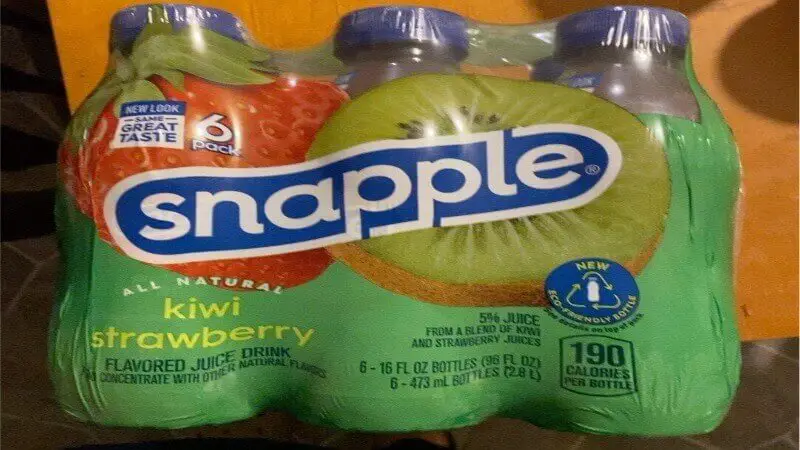
Snapple Kiwi Strawberry does not contain caffeine. It is a juice drink, not a tea, and its formulation includes no tea leaves, tea extracts, or added caffeine of any kind. A full 16 fl oz bottle registers at 0 mg of caffeine. This holds true regardless of the bottle size or packaging format.
This is not a case where trace amounts might be present due to shared manufacturing equipment or cross-contamination. The product simply does not include any caffeine-contributing ingredient in its recipe. Consumers who need to avoid caffeine entirely — whether for medical reasons, pregnancy, or personal preference — can drink Snapple Kiwi Strawberry without concern on that front.
It is worth noting that “caffeine-free” and “healthy” are not interchangeable terms. Snapple Kiwi Strawberry does contain a substantial amount of sugar, which is a separate nutritional consideration. But on the narrow question of caffeine, the answer is unambiguous: there is none.
Juice Drinks vs. Tea Drinks: Why the Distinction Matters
The confusion surrounding caffeine in Snapple products stems from the fact that Snapple operates two fundamentally different product lines under a single brand name. Understanding which line a given flavor belongs to is the fastest way to determine whether it contains caffeine.
Snapple Juice Drinks are fruit-flavored beverages made primarily with water, sugar (or high fructose corn syrup), and fruit juice concentrates. They do not contain tea and therefore contain zero caffeine. Snapple Kiwi Strawberry falls squarely into this category, alongside flavors such as Fruit Punch, Mango Madness, Orangeade, and Grapeade.
Snapple Iced Teas are brewed from real tea leaves and do contain caffeine. The caffeine content varies by flavor but generally falls in the range of 37 to 42 mg per 16 fl oz bottle. Snapple Peach Tea, Lemon Tea, Half n’ Half Lemonade Iced Tea, and Raspberry Tea all belong to this caffeinated category. These products derive their caffeine naturally from black or green tea, not from synthetic caffeine additives.
The label on the bottle is the most reliable indicator. Snapple juice drinks are typically labeled as “Juice Drink” beneath the flavor name, while tea products are labeled as “Iced Tea” or “Tea.” If the word “tea” does not appear anywhere on the front label, the product almost certainly contains no caffeine. Snapple Kiwi Strawberry is labeled as a juice drink, making its caffeine-free status immediately apparent to anyone who checks the packaging.
This two-line structure is not unique to Snapple. Many beverage brands operate across both tea-based and juice-based categories, and the caffeine question always comes down to whether tea (or another caffeine source) is part of the formulation. For a broader look at which iced tea brands contain caffeine and how much, that resource provides additional context.
Snapple Kiwi Strawberry Ingredients
Examining the ingredient list confirms why Snapple Kiwi Strawberry is caffeine-free. The product is built around a base of filtered water and sweeteners, combined with fruit juice concentrates for flavor and color. A standard ingredient list for Snapple Kiwi Strawberry reads as follows:
- Filtered Water
- Sugar
- Citric Acid
- Kiwi Juice Concentrate
- Strawberry Juice Concentrate
- Natural Flavors
- Vegetable and Fruit Juice (for color)
None of these ingredients are sources of caffeine. There is no tea extract, no coffee extract, no guarana, no yerba mate, and no synthetic caffeine listed. The drink is essentially flavored sugar water with a small percentage of actual fruit juice — a formulation that is common across the juice drink segment of the beverage industry.
The sugar content is the most nutritionally significant element. A 16 fl oz bottle of Snapple Kiwi Strawberry contains approximately 40 to 46 grams of sugar, depending on the specific formulation. That figure is comparable to other mainstream juice drinks and soft drinks. For anyone evaluating this product from a health standpoint, sugar content is a far more relevant concern than caffeine, which is simply absent.
Citric acid serves as both a preservative and a flavor enhancer, contributing to the tart, fruity taste profile. The kiwi and strawberry juice concentrates provide authentic fruit flavor, though the actual juice percentage is relatively low. The “natural flavors” designation, as is standard in the food and beverage industry, refers to flavoring compounds derived from natural sources, though the specific compounds are proprietary.
Comparison with Other Snapple Flavors
Placing Snapple Kiwi Strawberry alongside other products in the Snapple lineup helps illustrate the caffeine divide between the juice drink and iced tea categories.
Caffeine-Free Snapple Flavors (Juice Drinks)
All of the following Snapple juice drinks contain 0 mg of caffeine per bottle:
- Snapple Kiwi Strawberry — 0 mg caffeine
- Snapple Fruit Punch — 0 mg caffeine
- Snapple Mango Madness — 0 mg caffeine
- Snapple Orangeade — 0 mg caffeine
- Snapple Grapeade — 0 mg caffeine
- Snapple Watermelon Lemonade — 0 mg caffeine
These products share a similar formulation philosophy: filtered water, sugar, citric acid, fruit juice concentrates, and natural flavors. None of them include tea or any other caffeine source. They are functionally interchangeable from a caffeine perspective, and anyone choosing among them can do so based purely on flavor preference without worrying about stimulant content.
This also places Snapple juice drinks in the same caffeine-free category as other fruit-flavored beverages like Hawaiian Punch, which similarly contains no caffeine despite occasionally being confused with caffeinated soft drinks.
Caffeinated Snapple Flavors (Iced Teas)
Snapple iced tea products tell a different story. Because they are brewed with real tea leaves, they contain a moderate amount of naturally occurring caffeine:
- Snapple Peach Tea — approximately 37 mg caffeine per 16 fl oz
- Snapple Lemon Tea — approximately 37 mg caffeine per 16 fl oz
- Snapple Raspberry Tea — approximately 37 mg caffeine per 16 fl oz
- Snapple Half n’ Half — approximately 37 mg caffeine per 16 fl oz
- Snapple Diet Peach Tea — approximately 42 mg caffeine per 16 fl oz
These caffeine levels are moderate by any standard. For comparison, a typical 16 fl oz cup of brewed coffee contains between 170 and 200 mg of caffeine, making Snapple iced teas relatively mild stimulant sources. However, the caffeine is still present and still relevant for individuals who must avoid it entirely.
The difference between 0 mg (juice drinks) and 37 mg (iced teas) is absolute and categorical. There is no gray area within the Snapple product line on this question. If the product is a juice drink, it has no caffeine. If it is a tea, it does. Snapple Kiwi Strawberry is a juice drink, and that classification settles the matter.
What About Snapple Zero Sugar and Diet Varieties?
Snapple has introduced various zero sugar and diet versions of its products over the years. The caffeine rule remains the same across these reformulations. Diet or zero-sugar versions of Snapple tea products still contain caffeine because they still use tea as a base ingredient. The sugar reduction does not affect the caffeine content — in some cases, diet teas contain marginally more caffeine than their full-sugar counterparts.
On the juice drink side, reduced-sugar or reformulated versions of products like Kiwi Strawberry would remain caffeine-free because the base recipe does not include any caffeine-contributing ingredient. The presence or absence of sugar has no bearing on caffeine content.
Final Assessment
Snapple Kiwi Strawberry contains zero caffeine. It is a fruit juice drink, not a tea, and its ingredient list includes no tea leaves, tea extracts, or any other source of caffeine. This makes it a suitable option for children, for caffeine-sensitive individuals, and for anyone who needs a caffeine-free beverage but still wants something with bold fruit flavor.
The most common source of confusion on this topic is the Snapple brand itself, which sells both caffeinated iced teas and caffeine-free juice drinks under the same name and with similar packaging. The simplest way to tell the difference is to look at the product label: if it says “Juice Drink,” it has no caffeine; if it says “Iced Tea” or “Tea,” it does. Snapple Kiwi Strawberry has always been marketed and labeled as a juice drink, and its caffeine-free status has remained consistent across formulation changes over the years.
For those who enjoy the Snapple brand but need to manage caffeine intake, the juice drink line — including Kiwi Strawberry, Fruit Punch, Mango Madness, and others — offers a full range of flavors with no stimulant content whatsoever. The only nutritional consideration worth flagging is sugar content, which is substantial across all standard Snapple juice drinks. On the specific question of caffeine, however, Snapple Kiwi Strawberry is entirely clear.