
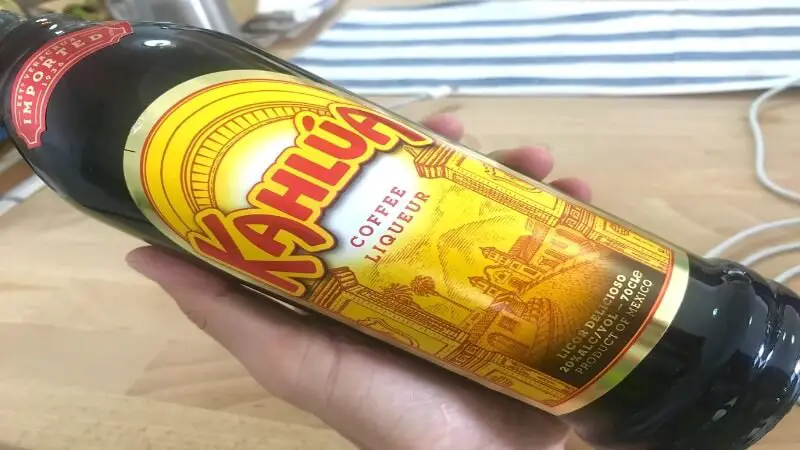
Does Kahlúa Have Caffeine? (2026)
Kahlúa is one of the most recognized coffee liqueurs in the world, and its deep, roasted flavor profile raises a straightforward question: does it actually contain caffeine? For anyone monitoring their caffeine intake due to health considerations, medication interactions, or sensitivity, this is not a trivial concern. A drink that tastes strongly of coffee could reasonably deliver a meaningful dose of caffeine, or it could contain only trace amounts left over from the production process.
The answer matters particularly at night, when Kahlúa-based cocktails are most commonly served. Ordering a White Russian or an Espresso Martini after dinner and then struggling to fall asleep would turn a pleasant evening into a frustrating one. This article examines exactly how much caffeine Kahlúa contains, how that figure compares to other beverages, and whether the amount is significant enough to affect most people.
The Short Answer: Yes, Kahlúa Contains Caffeine
Kahlúa does contain caffeine, but the amount is quite small. A standard 1.5-ounce serving (one shot) of Kahlúa delivers approximately 5 milligrams of caffeine. That figure comes directly from the manufacturer, Pernod Ricard, and has remained consistent across multiple product iterations.
To put 5 milligrams in perspective, a standard 8-ounce cup of brewed coffee contains between 80 and 100 milligrams of caffeine. A single shot of Kahlúa therefore delivers roughly 5 to 6 percent of the caffeine found in a regular cup of coffee. Even someone with moderate caffeine sensitivity would be unlikely to notice a physiological effect from that amount alone.
However, context matters. Cocktail recipes frequently call for more than one shot of Kahlúa, and some drinks combine the liqueur with additional caffeine sources such as espresso or cold brew. An Espresso Martini made with a full shot of espresso and 1.5 ounces of Kahlúa could contain 70 milligrams of caffeine or more, which is enough to disrupt sleep for some individuals.
What Exactly Is Kahlúa?
Kahlúa is a coffee-flavored liqueur that originated in Veracruz, Mexico, in 1936. The name is believed to derive from the Nahuatl language, loosely translating to “House of the Acolhua people.” The product was developed by Pedro Domecq and has since become the best-selling coffee liqueur worldwide.
The base recipe involves four primary ingredients: arabica coffee beans, sugar cane spirit (rum), vanilla, and caramel. The coffee beans are grown in Veracruz, roasted, and then steeped to extract their flavor and, inevitably, some of their caffeine. The resulting liquid is blended with rum and other ingredients, then aged before bottling.
Kahlúa has an alcohol content of 20 percent by volume (40 proof), which places it firmly in the liqueur category rather than among full-strength spirits. The flavor is distinctly sweet, with strong notes of coffee, chocolate, and vanilla. That sweetness is a defining characteristic and one of the reasons it works so well as a cocktail ingredient rather than a standalone sipper.
The brand also produces several variants. Kahlúa Especial has a higher alcohol content (36 percent ABV) and a less sweet profile, making it a preferred choice among bartenders. There have also been flavored versions, including Kahlúa Chili Chocolate and Kahlúa Salted Caramel, though availability varies by market. The caffeine content across these variants remains similarly low, as the coffee extraction process does not change substantially between products.
Coffee-Based Liqueurs vs. Other Flavored Liqueurs
Kahlúa is not the only coffee liqueur on the market, and caffeine content varies among competitors. Understanding where Kahlúa sits relative to other options is useful for anyone choosing between brands based on caffeine considerations.
Tia Maria is a Jamaican coffee liqueur made with Blue Mountain coffee beans. Its caffeine content is comparable to Kahlúa, generally estimated at around 5 milligrams per 1.5-ounce serving. Tia Maria has a slightly drier flavor profile with less sweetness, but from a caffeine standpoint, the two products are essentially interchangeable.
Mr Black is an Australian cold brew coffee liqueur that has gained significant popularity in recent years, particularly among craft cocktail enthusiasts. Because it uses cold brew extraction, which tends to produce a more concentrated coffee flavor, Mr Black may contain slightly more caffeine per serving than Kahlúa. The exact figure is not widely published by the manufacturer, but estimates place it in the range of 10 to 25 milligrams per 1.5-ounce serving.
Patrón XO Cafe was a tequila-based coffee liqueur that blended silver tequila with coffee essence. It was discontinued in 2021, but it remains relevant to this discussion because its caffeine content was similarly minimal. Non-coffee liqueurs such as amaretto, Irish cream (like Baileys), and chocolate liqueurs contain no caffeine at all unless coffee is listed among their ingredients.
The key distinction is between liqueurs made with real coffee and those that use artificial coffee flavoring. Products made with actual coffee beans will always contain some caffeine, because caffeine is a naturally occurring compound in coffee that cannot be fully removed through standard extraction processes without deliberate decaffeination. Artificially flavored products may contain zero caffeine, but they also tend to lack the depth and authenticity that real coffee brings to the finished product.
Popular Kahlúa Cocktails and Their Caffeine Levels
The caffeine in a Kahlúa-based cocktail depends entirely on the recipe. Some drinks contain nothing beyond the liqueur’s own modest caffeine contribution, while others layer multiple caffeine sources together. Below is a breakdown of several well-known Kahlúa cocktails.
White Russian
The White Russian calls for 2 ounces of Kahlúa, 1 ounce of vodka, and a splash of heavy cream or milk, served over ice. The total caffeine content from 2 ounces of Kahlúa is approximately 6 to 7 milligrams. This is a negligible amount, and the drink is unlikely to cause any stimulant effect whatsoever. The alcohol content, on the other hand, is substantial enough to have the opposite effect.
Black Russian
A Black Russian is simply a White Russian without the cream: 2 ounces of Kahlúa and 1 ounce of vodka over ice. The caffeine content is identical at roughly 6 to 7 milligrams. The absence of cream makes the coffee flavor more pronounced, but it does not change the caffeine equation.
Espresso Martini
This is where caffeine levels become meaningful. A standard Espresso Martini contains 1 ounce of Kahlúa, 1.5 ounces of vodka, and 1 ounce of freshly pulled espresso. The espresso contributes approximately 63 milligrams of caffeine, while the Kahlúa adds another 3 to 4 milligrams. The total lands in the range of 65 to 70 milligrams, which is close to the caffeine content of a full cup of coffee. Ordering two of these after 8 PM would be a meaningful caffeine dose for most adults.
Mudslide
A Mudslide combines equal parts Kahlúa, Baileys Irish Cream, and vodka, typically 1 ounce of each, blended with ice cream. The caffeine contribution is limited to the Kahlúa portion, which provides approximately 3 to 4 milligrams. Baileys does not contain a significant amount of caffeine despite its occasional association with coffee drinks. The total caffeine in a Mudslide is therefore minimal.
B-52 (Layered Shot)
The B-52 is a layered shot consisting of Kahlúa on the bottom, Baileys in the middle, and Grand Marnier on top. Each layer is roughly 0.5 ounces. The caffeine from the Kahlúa portion is approximately 1 to 2 milligrams, making this one of the lowest-caffeine Kahlúa drinks available.
Caffeine in Kahlúa Compared to Common Beverages
Numbers in isolation are difficult to interpret. The following comparisons place Kahlúa’s caffeine content alongside beverages that most people consume regularly, providing a more intuitive sense of scale.
| Beverage | Serving Size | Approximate Caffeine |
|---|---|---|
| Kahlúa | 1.5 oz (one shot) | 5 mg |
| Brewed coffee | 8 oz | 80–100 mg |
| Espresso | 1 oz | 63 mg |
| Black tea | 8 oz | 40–50 mg |
| Green tea | 8 oz | 25–35 mg |
| Cola (Coca-Cola) | 12 oz | 34 mg |
| Dr Pepper | 12 oz | 41 mg |
| Cream soda (most brands) | 12 oz | 0 mg |
| Decaf coffee | 8 oz | 2–5 mg |
| Dark chocolate | 1 oz | 12 mg |
The comparison reveals that a shot of Kahlúa sits at roughly the same caffeine level as a cup of decaf coffee. It contains less caffeine than a single ounce of dark chocolate. It delivers a fraction of what a can of cola provides. For the vast majority of adults, a serving or two of Kahlúa would not register as a meaningful caffeine intake event.
The FDA considers 400 milligrams of caffeine per day to be a generally safe amount for healthy adults. A person would need to consume approximately 80 shots of Kahlúa to reach that threshold from the liqueur alone. Long before caffeine became a concern, the alcohol content would present a far more serious problem. In practical terms, the caffeine in Kahlúa is a non-issue for anyone whose only exposure is the liqueur itself.
Situations Where Kahlúa’s Caffeine Could Matter
Despite the low caffeine content, there are a few specific scenarios where even small amounts of caffeine warrant attention.
Pregnancy. Medical guidelines from the American College of Obstetricians and Gynecologists recommend limiting caffeine intake to 200 milligrams per day during pregnancy. While 5 milligrams from Kahlúa falls well within that limit, the alcohol content makes the drink inappropriate during pregnancy regardless of its caffeine level. The caffeine question is therefore moot in this context.
Extreme caffeine sensitivity. A small percentage of the population metabolizes caffeine very slowly due to genetic variations in the CYP1A2 enzyme. For these individuals, even 5 milligrams could theoretically contribute to restlessness or disrupted sleep, particularly if consumed late in the evening alongside other trace caffeine sources. This is uncommon, but it is not unheard of.
Medication interactions. Certain medications interact with caffeine, including some antibiotics (such as ciprofloxacin), antidepressants, and bronchodilators. If a physician has advised complete caffeine avoidance, then the small amount in Kahlúa is technically relevant. In such cases, switching to a non-coffee liqueur like amaretto or Frangelico would eliminate the concern entirely.
Cumulative intake. Someone who has already consumed several cups of coffee throughout the day and then orders multiple Espresso Martinis in the evening is stacking caffeine sources. The Kahlúa itself adds very little, but the espresso in those cocktails adds quite a lot. Awareness of the full recipe, not just the liqueur component, is what matters in this scenario.
Final Assessment
Kahlúa contains caffeine because it is made with real arabica coffee beans, and caffeine is a natural component of coffee that survives the extraction and blending process. The amount, however, is minimal. At approximately 5 milligrams per 1.5-ounce serving, Kahlúa delivers less caffeine than a cup of decaf coffee and dramatically less than a standard brewed cup.
For the overwhelming majority of adults, the caffeine in Kahlúa is not a practical concern. It will not keep most people awake, it will not interfere with most medications at typical serving sizes, and it will not push anyone close to the FDA’s recommended daily ceiling. The only scenario that demands genuine caution is when Kahlúa is combined with espresso or other high-caffeine ingredients in cocktails like the Espresso Martini, where the total caffeine content of the finished drink can approach or exceed that of a full cup of coffee.
Those who must avoid caffeine entirely should be aware that Kahlúa is not caffeine-free, and should consider alternative liqueurs that do not use coffee as a base ingredient. Everyone else can enjoy their White Russian without giving the caffeine a second thought.