
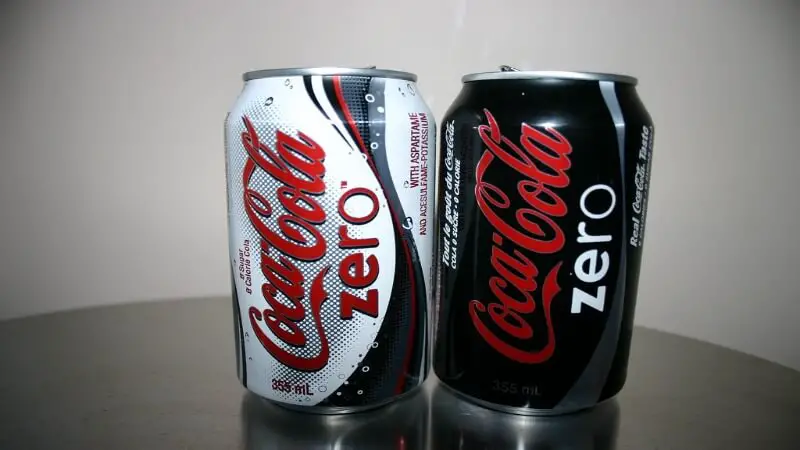
Does Coca-Cola Zero Have Caffeine? (2026)
Coca-Cola Zero Sugar has become one of the most popular sugar-free soft drinks on the planet, appealing to consumers who want the taste of classic Coca-Cola without the caloric load. Yet a surprisingly common question persists among health-conscious drinkers and those sensitive to stimulants: does Coca-Cola Zero actually contain caffeine? The answer matters for anyone managing their daily caffeine intake, dealing with medical restrictions, or simply trying to make informed choices at the grocery store.
This article provides a direct answer, compares Coca-Cola Zero Sugar to other popular Coca-Cola products, and examines what the caffeine content means in practical terms for regular consumers.
Coca-Cola Zero Sugar Does Contain Caffeine
Yes, Coca-Cola Zero Sugar contains caffeine. A standard 12-ounce (355 mL) can delivers approximately 34 milligrams of caffeine. This amount is consistent across all standard Coca-Cola Zero Sugar products sold in the United States, though regional formulations in other countries may differ slightly.
To put 34 milligrams into perspective, that figure represents roughly one-third of the caffeine found in a typical 8-ounce cup of brewed coffee, which generally contains between 80 and 100 milligrams. It is also well below the 400-milligram daily threshold that the U.S. Food and Drug Administration considers a moderate and generally safe level for most healthy adults.
The caffeine in Coca-Cola Zero Sugar is not a byproduct of other ingredients. It is an intentionally added component, included because caffeine has been part of the Coca-Cola flavor profile since the product line originated in 1886. Removing caffeine entirely would alter the taste that the brand has spent over a century refining.
Coca-Cola Zero vs. Regular Coke vs. Diet Coke: Caffeine Compared
One of the most frequent points of confusion involves how Coca-Cola Zero Sugar stacks up against its siblings in the Coca-Cola family. The caffeine levels across these three products are close but not identical.
| Beverage (12 oz serving) | Caffeine (mg) | Calories | Sugar (g) |
|---|---|---|---|
| Coca-Cola Zero Sugar | 34 | 0 | 0 |
| Coca-Cola Classic | 34 | 140 | 39 |
| Diet Coke | 46 | 0 | 0 |
Coca-Cola Zero Sugar and Coca-Cola Classic share nearly the same caffeine content at 34 milligrams per 12-ounce serving. This is deliberate. Coca-Cola Zero Sugar was formulated to replicate the taste of the original as closely as possible, and caffeine is part of that equation.
Diet Coke, on the other hand, contains noticeably more caffeine at 46 milligrams per 12-ounce can. This difference exists because Diet Coke was never designed to mimic Coca-Cola Classic. It has its own distinct flavor formula, developed independently in 1982, and that formula calls for a higher caffeine concentration. Consumers who assume Diet Coke and Coca-Cola Zero Sugar are interchangeable often overlook this 35 percent difference in caffeine.
For those curious about caffeine-free options in the broader soft drink landscape, beverages like Sprite and other lemon-lime sodas contain no caffeine at all. The difference between Sprite and Coke extends beyond flavor to this fundamental ingredient distinction.
What Goes Into Coca-Cola Zero Sugar
Understanding the caffeine question requires a look at what Coca-Cola Zero Sugar actually contains. The full ingredient list for the U.S. formulation includes carbonated water, caramel color, phosphoric acid, aspartame, potassium benzoate, natural flavors, potassium citrate, acesulfame potassium, and caffeine.
The beverage achieves its zero-calorie, zero-sugar status through the use of two artificial sweeteners: aspartame and acesulfame potassium (often abbreviated as Ace-K). These two sweeteners work in combination. Aspartame provides the primary sweetness, while acesulfame potassium rounds out the flavor and helps the sweetness profile more closely resemble that of sucrose, which is the sugar used in regular Coca-Cola.
Coca-Cola underwent a significant reformulation of Zero Sugar in 2021, adjusting the ratio of these sweeteners and modifying the natural flavors blend. The company stated that the goal was to bring the taste even closer to that of Coca-Cola Classic. The caffeine content, however, remained unchanged through the reformulation. It was not a variable that needed adjustment because its role in the flavor profile was already well-established.
Phosphoric acid serves as an acidity regulator, contributing the slight tartness that distinguishes cola from other soft drinks. Potassium benzoate functions as a preservative. Neither of these ingredients has any meaningful interaction with caffeine or its effects on the body.
Caffeine-Free Coca-Cola Zero Sugar Is Available
For consumers who want the Coca-Cola Zero Sugar taste without any caffeine whatsoever, The Coca-Cola Company produces Caffeine-Free Coca-Cola Zero Sugar. This variant is sold in a gold-colored can to distinguish it from the standard black-labeled version.
The caffeine-free version uses the same sweetener combination and the same base formula. The only difference is the removal of caffeine from the ingredient list. In blind taste tests, most consumers report minimal perceptible difference between the two versions, though some detect a very slight change in the flavor’s “bite” or sharpness, which caffeine subtly contributes to.
Availability of the caffeine-free variant can be inconsistent depending on geographic location. It is more commonly found in larger supermarkets and big-box retailers than in convenience stores or vending machines. Consumers who specifically need caffeine-free options should verify availability before assuming their local store carries it.
This product is particularly relevant for individuals who consume cola in the evening, pregnant women following medical guidance to limit caffeine, and those with certain cardiac or anxiety conditions where caffeine restriction has been recommended by a physician.
Health Considerations Around Caffeine in Coca-Cola Zero
The 34 milligrams of caffeine in a single can of Coca-Cola Zero Sugar is a modest amount by any standard measure. However, health considerations depend on total daily intake from all sources, not just one beverage.
A person who drinks three cans of Coca-Cola Zero Sugar throughout the day consumes approximately 102 milligrams of caffeine from that source alone. Add a morning coffee and a midday tea, and the cumulative figure can approach or exceed the 400-milligram guideline more quickly than expected. This is the scenario where awareness of caffeine in every consumed product becomes genuinely important.
Several groups should pay particular attention to caffeine from all sources, including soft drinks:
- Pregnant and breastfeeding women: The American College of Obstetricians and Gynecologists recommends limiting caffeine intake to less than 200 milligrams per day during pregnancy. Six cans of Coca-Cola Zero Sugar would reach that threshold, but in practice, the concern is cumulative intake alongside coffee, tea, and chocolate.
- Children and adolescents: The American Academy of Pediatrics discourages caffeine consumption for children under 12 and recommends no more than 100 milligrams per day for older adolescents. A single can of Coca-Cola Zero Sugar accounts for about a third of that adolescent limit.
- Individuals with anxiety disorders: Caffeine is a central nervous system stimulant that can exacerbate anxiety symptoms. Even moderate amounts may be problematic for sensitive individuals.
- People with certain heart conditions: Those with arrhythmias or other cardiac conditions should follow their cardiologist’s guidance on caffeine, as it can affect heart rhythm in susceptible individuals.
It is also worth noting that caffeine has a half-life of approximately five to six hours in most adults. Drinking Coca-Cola Zero Sugar at 6 PM means roughly 17 milligrams of caffeine will still be active in the body at midnight. For individuals who are sensitive to caffeine’s effects on sleep, this is a practical consideration worth factoring into evening beverage choices.
Beyond caffeine, Coca-Cola Zero Sugar’s use of aspartame and acesulfame potassium has been the subject of ongoing public discussion. Major regulatory bodies, including the FDA, European Food Safety Authority, and World Health Organization, have reviewed these sweeteners extensively. As of 2026, all three maintain that these sweeteners are safe for consumption at levels well above what a typical consumer would ingest. Individual concerns should be directed to a healthcare provider familiar with one’s medical history.
How Coca-Cola Zero Compares to Other Caffeinated Beverages
Placing Coca-Cola Zero Sugar’s caffeine content alongside other common beverages provides useful context for daily planning.
| Beverage | Serving Size | Caffeine (mg) |
|---|---|---|
| Brewed coffee | 8 oz | 80–100 |
| Espresso | 1 oz shot | 63 |
| Black tea | 8 oz | 40–70 |
| Diet Coke | 12 oz | 46 |
| Coca-Cola Zero Sugar | 12 oz | 34 |
| Coca-Cola Classic | 12 oz | 34 |
| Dr Pepper | 12 oz | 41 |
| Green tea | 8 oz | 25–45 |
| Decaf coffee | 8 oz | 2–7 |
Coca-Cola Zero Sugar sits in the lower-middle range of caffeinated beverages. It contains meaningfully less caffeine than coffee, tea, or energy drinks, and roughly the same as most mainstream colas. It is not a significant caffeine source for anyone who already consumes coffee regularly, but it is a relevant one for people who otherwise avoid caffeine and might not expect it in a soft drink.
Final Assessment
Coca-Cola Zero Sugar contains 34 milligrams of caffeine per 12-ounce can. This is identical to Coca-Cola Classic and lower than Diet Coke’s 46 milligrams. The caffeine is an intentional ingredient, included to maintain the established Coca-Cola flavor profile.
For most healthy adults, this amount of caffeine is unremarkable and well within safe consumption limits. For those who need or prefer to avoid caffeine entirely, Caffeine-Free Coca-Cola Zero Sugar exists as a direct alternative, though it may require some effort to find depending on local retail availability.
The practical takeaway is straightforward: treat Coca-Cola Zero Sugar as a mildly caffeinated beverage. Account for it when tallying daily caffeine intake, particularly if consuming multiple cans alongside coffee, tea, or other caffeinated products. And for anyone with specific health conditions that warrant caffeine restriction, consult a physician rather than relying on general guidelines, as individual tolerance varies considerably.