
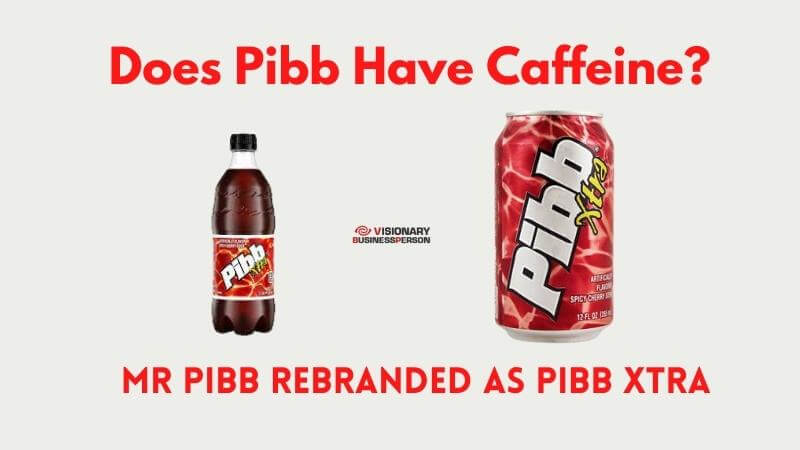
Does Pibb Have Caffeine? (2026)
Pibb Xtra, the cherry-and-spice flavored soft drink produced by The Coca-Cola Company, remains one of the more polarizing sodas on the American market. Originally launched in 1972 as “Peppo” before quickly being renamed Mr. Pibb, the beverage has maintained a loyal following despite its limited regional availability. One of the most common questions surrounding this drink concerns its caffeine content, and the answer is straightforward: yes, Pibb Xtra does contain caffeine.
Understanding exactly how much caffeine Pibb Xtra delivers, and how that figure compares to other popular sodas, is essential for anyone monitoring their daily intake. This article provides a thorough breakdown of the caffeine levels in Pibb Xtra, its flavor characteristics, and the health considerations worth keeping in mind.
Caffeine Content in Pibb Xtra
A standard 12-ounce (355 mL) can of Pibb Xtra contains approximately 40 milligrams of caffeine. This places it squarely in the moderate range for caffeinated soft drinks, delivering enough stimulant to register a mild effect without approaching the levels found in energy drinks or brewed coffee.
Here is how that figure scales across the serving sizes most commonly encountered in stores and restaurants:
| Serving Size | Caffeine (mg) | Calories | Sugar (g) |
|---|---|---|---|
| 7.5 oz (mini can) | ~25 mg | 90 | 25 |
| 12 oz (standard can) | ~40 mg | 150 | 39 |
| 16 oz (medium fountain) | ~53 mg | 200 | 52 |
| 20 oz (bottle) | ~67 mg | 250 | 65 |
| 2-liter bottle (67.6 oz) | ~225 mg | 840 | 221 |
On a per-ounce basis, Pibb Xtra contains roughly 3.33 mg of caffeine per fluid ounce. That rate is nearly identical to Dr Pepper, which is no coincidence given the two beverages occupy the same category and have been direct competitors for over five decades.
It is worth noting that fountain drink caffeine levels can fluctuate slightly depending on the syrup-to-carbonated-water ratio at any given dispensing machine. The figures above represent the standard formulation as specified by The Coca-Cola Company.
Pibb Xtra vs. Other Sodas: A Caffeine Comparison
Placing Pibb Xtra alongside the broader soft drink landscape provides useful context. A 12-ounce serving of each of the following beverages contains the caffeine amounts listed below:
| Beverage | Caffeine per 12 oz |
|---|---|
| Pepsi Zero Sugar | 69 mg |
| Mountain Dew | 54 mg |
| Diet Coke | 46 mg |
| Dr Pepper | 41 mg |
| Pibb Xtra | 40 mg |
| Coca-Cola Classic | 34 mg |
| Pepsi | 38 mg |
| Barq’s Cream Soda | 0 mg |
| Sprite | 0 mg |
| 7UP | 0 mg |
Several observations stand out from this comparison. Pibb Xtra and Dr Pepper are virtually indistinguishable in terms of caffeine, separated by a single milligram that falls well within the margin of measurement variance. Both land in the middle tier of caffeinated sodas, delivering more stimulant than Coca-Cola Classic but considerably less than Mountain Dew or Pepsi Zero Sugar.
For those seeking a spice-flavored soda without any caffeine at all, no mainstream option currently exists. The “pepper” category of soft drinks, which includes Dr Pepper, Pibb Xtra, and their various diet and zero-sugar reformulations, universally contains caffeine as part of the standard recipe.
The Flavor Profile of Pibb Xtra
Pibb Xtra is frequently described as a “spicy cherry” soda, a characterization that captures its dominant flavor notes without fully accounting for its complexity. The Coca-Cola Company has never published the complete flavor formula, but the taste profile is broadly understood to blend cherry, cinnamon, and a mix of other spice and fruit extracts.
The “Xtra” in the current name refers to a reformulation that took place in 2001, when the original Mr. Pibb recipe was adjusted to emphasize bolder cinnamon and spice notes. The rebranding also introduced a more aggressive marketing identity, moving away from the somewhat clinical “Mr.” prefix. The result is a beverage that tastes notably warmer and spicier than its predecessor, with a finish that lingers slightly longer on the palate.
Compared to Dr Pepper, which uses a proprietary blend of 23 flavors, Pibb Xtra reads as less layered but more assertive in its cherry-forward character. Blind taste tests routinely show that casual drinkers can distinguish the two, though many struggle to articulate exactly how they differ beyond describing Pibb Xtra as “more cherry” or “less complex.” That directness is, for many loyal drinkers, precisely the appeal.
The ingredient list for Pibb Xtra includes carbonated water, high fructose corn syrup, caramel color, phosphoric acid, natural and artificial flavors, and caffeine. The inclusion of caffeine as a listed ingredient confirms that it serves a functional role in the flavor profile, contributing a mild bitterness that balances the sweetness of the syrup.
A Brief History: From Mr. Pibb to Pibb Xtra
The Coca-Cola Company developed Mr. Pibb in 1972 as a direct response to Dr Pepper, which at the time was not part of Coca-Cola’s bottling and distribution network. The original name, “Peppo,” was abandoned almost immediately due to potential trademark concerns. Mr. Pibb launched nationwide and was positioned as a comparable alternative that Coca-Cola’s extensive network of bottlers and fountain distributors could offer to retailers and restaurants.
For nearly three decades, Mr. Pibb maintained a steady but unspectacular market presence. It never seriously threatened Dr Pepper’s dominance in the spice-soda category, but it carved out a reliable niche, particularly in the Southeastern United States and in Coca-Cola Freestyle fountain machines.
The 2001 reformulation and rebrand to Pibb Xtra represented the most significant change in the product’s history. The updated formula boosted the cinnamon notes, the packaging adopted a more angular and energetic design, and the marketing shifted toward a younger demographic. Despite these changes, the caffeine content remained consistent with the original Mr. Pibb formula.
Today, Pibb Xtra occupies an unusual position in the soft drink market. It is not available in all regions, and its distribution remains uneven. Many consumers encounter it primarily through Coca-Cola Freestyle machines and select fast-food chains, rather than in the grocery aisle. This limited availability has, paradoxically, contributed to a degree of cult status among fans who seek it out specifically.
Health Considerations
The caffeine in Pibb Xtra, at 40 mg per 12-ounce serving, falls well within the bounds that most adults can consume without concern. The U.S. Food and Drug Administration identifies 400 mg of caffeine per day as a level not generally associated with negative effects in healthy adults. A person would need to drink ten cans of Pibb Xtra in a single day to reach that threshold from the soda alone.
That said, caffeine is only one component of the health picture. A single 12-ounce can of Pibb Xtra contains 39 grams of sugar and 150 calories, both of which accumulate quickly with multiple servings. The American Heart Association recommends that men consume no more than 36 grams of added sugar per day and women no more than 25 grams. A single can of Pibb Xtra exceeds the recommended daily limit for women and nearly matches it for men.
For individuals who are sensitive to caffeine, pregnant, or managing conditions such as anxiety disorders or cardiac arrhythmias, even moderate amounts of caffeine warrant attention. Caffeine-free alternatives in the spice-soda category do not currently exist from major manufacturers, so those seeking to avoid the stimulant entirely would need to look toward caffeine-free colas or lemon-lime sodas like Sprite.
Children and adolescents represent another population for whom Pibb Xtra’s caffeine content deserves consideration. The American Academy of Pediatrics discourages caffeine consumption for children under 12 and recommends that adolescents limit intake to no more than 100 mg per day. While a single can of Pibb Xtra falls within that adolescent guideline, the combination of caffeine and high sugar content makes it a beverage best consumed in moderation by younger individuals.
The phosphoric acid in Pibb Xtra also merits a brief mention. Research has linked regular consumption of phosphoric acid-containing beverages to reduced bone mineral density over time, though the evidence is stronger for colas specifically and the effect size is modest. Individuals concerned about bone health may wish to factor this into their overall dietary choices.
Final Assessment
Pibb Xtra contains a moderate amount of caffeine at approximately 40 mg per 12-ounce can. That figure is nearly identical to Dr Pepper, places it slightly above Coca-Cola Classic, and puts it well below highly caffeinated sodas such as Mountain Dew and Pepsi Zero Sugar. For most healthy adults, the caffeine in a can or two of Pibb Xtra per day presents no significant concern.
The more pressing health consideration with Pibb Xtra, as with most regular soft drinks, is its sugar content. At 39 grams per can, it delivers a substantial dose of added sugar that can contribute to weight gain, metabolic disruption, and dental problems when consumed in excess. Those who enjoy the flavor but wish to reduce sugar intake should look for the diet or zero-sugar variants where available, keeping in mind that the caffeine content in those formulations remains comparable.
Pibb Xtra occupies a distinctive space in the soft drink market. It is not the most caffeinated soda, not the most widely distributed, and not the most famous in its category. What it offers is a bold, cherry-forward flavor with a spice backbone that sets it apart from standard colas, paired with a caffeine level that fits comfortably into most daily routines. For fans of the pepper-soda category who appreciate a more direct and assertive taste, it remains a worthwhile option that happens to deliver a moderate caffeine boost along the way.