
Heath vs Skor: Which Toffee Bar Is Better? (2026)
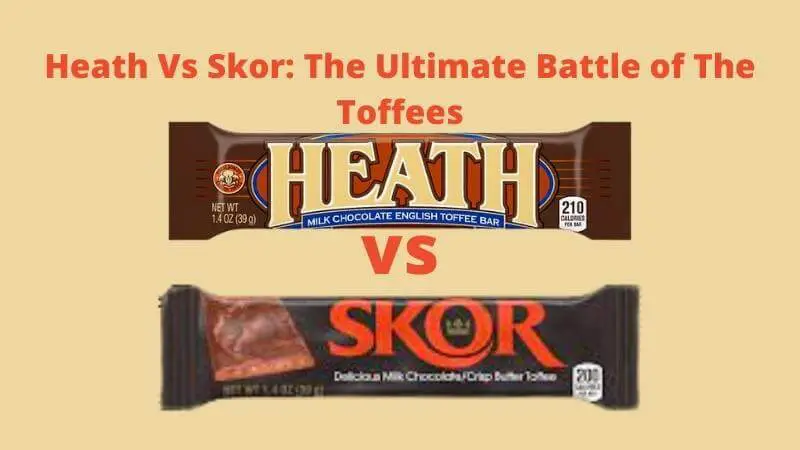
In the world of chocolate-covered toffee candy bars, two names have dominated the market for decades: Heath and Skor. What makes the rivalry particularly unusual is that both bars are manufactured by The Hershey Company, raising an obvious question: why does one corporation sell two seemingly identical products? The answer, as it turns out, lies in meaningful differences in history, formulation, texture, and taste that have cultivated fiercely loyal followings on both sides. This comprehensive comparison examines every facet of the Heath versus Skor debate to help readers determine which toffee bar best suits their palate.
A Brief History of Two Toffee Bars
The Heath Bar: An American Original
The Heath bar has roots that stretch back to 1914, when the Heath family opened a confectionery and ice cream shop in Robinson, Illinois. Brothers Bayard and Everett Heath began experimenting with candy recipes, and by 1928, they had developed the English toffee bar that would become their signature product. The Heath bar was built on a recipe for buttercrunch toffee, a style of toffee that is cooked to a hard crack stage and combined with butter and almonds, then enrobed in milk chocolate.
For decades, the Heath bar remained a family-operated business, earning a reputation as a premium candy bar with a distinctive crunch. The L.S. Heath and Sons company grew steadily throughout the twentieth century, and the bar became a staple in American candy aisles. In 1989, the Finnish confectionery group Leaf Inc. acquired the Heath brand. Then, in 1996, The Hershey Company purchased Leaf’s North American operations, bringing the Heath bar under the Hershey umbrella, where it remains to this day.
The Skor Bar: A Swedish-Inspired Challenger
The Skor bar arrived on the scene considerably later. Hershey introduced it to the American market in 1981, drawing inspiration from Scandinavian confectionery traditions. The name “Skor” is derived from the Swedish word for “brittle,” which is fitting given the bar’s composition. Hershey designed Skor as its own entry into the butter toffee segment, positioning it as a thinner, more refined alternative to existing toffee bars on the market.
When Hershey acquired the Heath brand in 1996, the company found itself in the unusual position of owning two competing toffee bars. Rather than discontinuing one, Hershey elected to keep both products in its lineup, a decision that has persisted for three decades. This choice suggests that the company recognizes the products serve overlapping but distinct consumer bases, each bar delivering a sufficiently different experience to justify its continued production.
Ingredients: What Goes Into Each Bar
At first glance, the ingredient lists for Heath and Skor bars appear nearly identical. Both are fundamentally butter toffee bars coated in milk chocolate. However, a closer examination reveals subtle but important differences in formulation that directly influence taste and texture.
Heath Bar Ingredients
The Heath bar is classified as a buttercrunch toffee bar. Its primary ingredients include milk chocolate (sugar, cocoa butter, chocolate, nonfat milk, milk fat, lactose, soy lecithin, and natural flavor), sugar, palm oil, butter (cream, salt), almonds, and salt. The inclusion of almonds is a defining characteristic of the Heath bar. These almond pieces are incorporated into the toffee itself, contributing both flavor and a more complex textural profile. The use of palm oil alongside butter in the toffee is also noteworthy, as it affects the final consistency and mouthfeel of the candy.
Skor Bar Ingredients
The Skor bar is described as a butter toffee bar. Its ingredient list includes milk chocolate (sugar, cocoa butter, chocolate, nonfat milk, milk fat, lactose, soy lecithin, and natural flavor), sugar, butter (cream, salt), and salt. The most significant difference is the absence of almonds and the more prominent role of butter in the toffee formulation. Skor uses a higher proportion of dairy butter relative to other fats, which gives the toffee a cleaner, more purely buttery flavor. The simpler ingredient list results in a bar that allows the butter toffee to speak for itself without the additional complexity that almonds introduce.
Taste and Texture: The Core Differences
This is where the Heath versus Skor debate becomes most spirited. Despite their surface-level similarities, the two bars deliver noticeably different eating experiences.
Heath: The Buttercrunch Experience
The Heath bar offers what is best described as a robust, crunchy toffee experience. The buttercrunch toffee at its core is cooked to a hard crack stage, resulting in a bar that delivers a satisfying, audible snap when bitten. The texture is dense and requires genuine effort to chew through, which many fans consider part of its appeal. The almond pieces embedded in the toffee add a nutty dimension to each bite, and their presence creates micro-variations in texture that make the eating experience feel more dynamic.
The flavor profile of the Heath bar is a blend of caramelized sugar, butter, toasted almond, and milk chocolate. The toffee has a deeper, more caramelized quality compared to Skor, with slightly more pronounced notes of cooked sugar. The almond flavor weaves throughout, lending an earthiness that complements the sweetness. The milk chocolate coating is relatively thin and serves primarily as a sweet, creamy counterpoint to the hard toffee center.
Skor: The Butter Toffee Experience
The Skor bar delivers a thinner, more delicate toffee experience. The butter toffee center is notably thinner than that of the Heath bar, and its texture, while still firm, tends toward a slightly more brittle quality. When bitten, Skor shatters more cleanly than Heath, breaking into crisp shards rather than requiring the same degree of sustained chewing. Some consumers find this makes Skor easier and more pleasant to eat, while others miss the hearty chew of the Heath bar.
In terms of flavor, Skor places butter front and center. Without the competing almond flavor, the buttery richness of the toffee is more immediately apparent. The toffee has a slightly lighter caramelization compared to Heath, allowing the pure butter flavor to remain dominant. Many tasters describe Skor as having a more “refined” or “elegant” flavor, while Heath is often characterized as more “rustic” or “hearty.” The milk chocolate coating on Skor is proportionally thicker relative to the thinner toffee center, which means the chocolate-to-toffee ratio favors chocolate more than it does in a Heath bar.
Nutritional Comparison
For those who factor nutritional content into their candy bar decisions, the following table presents a side-by-side comparison of the two bars based on standard serving sizes. Both bars are comparable in size, with a standard Heath bar weighing approximately 1.4 ounces (39 grams) and a standard Skor bar weighing the same.
| Nutrient | Heath Bar (1.4 oz / 39g) | Skor Bar (1.4 oz / 39g) |
|---|---|---|
| Calories | 210 | 200 |
| Total Fat | 13g | 12g |
| Saturated Fat | 7g | 7g |
| Cholesterol | 10mg | 15mg |
| Sodium | 135mg | 115mg |
| Total Carbohydrates | 24g | 24g |
| Sugars | 22g | 22g |
| Protein | 1g | 1g |
The nutritional profiles of the two bars are remarkably similar. The Heath bar carries a slightly higher calorie count and a marginal increase in total fat, which can be attributed to the inclusion of almonds. The Skor bar has a slightly higher cholesterol content, consistent with its greater reliance on dairy butter in the toffee formulation. In practical terms, neither bar holds a meaningful nutritional advantage over the other. Both are indulgent confections that should be enjoyed in moderation.
Availability and Product Lines
In the United States, the Heath bar enjoys broader recognition and wider distribution. It is available in most grocery stores, convenience stores, and mass retailers in its standard single-bar format. Beyond the standard bar, the Heath brand has been extended into several product variations that have significantly expanded its market presence. Heath Bits ‘O Brickle, a product consisting of small toffee pieces designed for baking, has become a pantry staple for home bakers. Heath-flavored ice cream, particularly the Dairy Queen Heath Blizzard, has further cemented the brand in American food culture.
The Skor bar, while available in most of the same retail channels, maintains a somewhat lower profile. It does not benefit from the same breadth of product extensions, and its brand recognition, while solid, does not match that of Heath. In Canada, however, the situation is notably different. The Skor bar has historically enjoyed strong popularity in the Canadian market, and Skor bits are readily available for baking purposes in Canadian grocery stores. Skor-branded products in Canada include toffee bits and various limited-edition items that occasionally surface in the Canadian confectionery aisle.
It is worth noting that both bars can be more difficult to locate than mainstream candy bars such as Snickers or Reese’s. Toffee bars occupy a niche within the broader candy market, and some retailers may stock one but not the other. Online retailers remain a reliable source for purchasing either bar in bulk quantities.
Baking and Dessert Applications
Both Heath and Skor have established themselves as valuable ingredients in baking and dessert preparation, though they are used in slightly different ways depending on the desired outcome.
Heath in Baking
The Heath bar has become synonymous with toffee desserts in the American baking tradition. Heath Bits ‘O Brickle, sold in bags specifically for baking use, are among the most popular mix-in ingredients for cookies, brownies, cakes, and ice cream. The almond-studded toffee pieces hold up well during baking, maintaining their crunch even when folded into cookie dough or sprinkled atop cakes. The combination of butter toffee, almond, and chocolate that the Heath bits contribute makes them a versatile addition to a wide range of recipes.
Popular applications include Heath bar cookies, where the toffee bits are mixed into a standard chocolate chip cookie base; Heath bar trifle, a layered dessert featuring cake, whipped cream, and crushed Heath bars; and Heath bar pie, typically built on a cream or ice cream base with toffee pieces folded throughout. The presence of almonds in Heath bits makes them particularly well-suited to recipes that benefit from a nutty undertone, such as blondies, caramel brownies, and butter pecan-style desserts.
Skor in Baking
Skor toffee bits serve a similar function in baking but deliver a slightly different result. Because Skor does not contain almonds, its toffee bits provide a purer butter toffee flavor without any nutty dimension. This makes Skor bits the preferred choice for bakers who want to keep their recipe nut-free, whether for allergy reasons or simply for flavor preference. However, it is important to verify current ingredient labels, as manufacturing processes and formulations can change, and cross-contamination with tree nuts may still be a concern depending on the production facility.
The thinner, more brittle nature of Skor toffee means that Skor bits may dissolve or melt more readily during baking than Heath bits. This can be an advantage in applications where a more evenly distributed toffee flavor is desired, such as in toffee-swirled cheesecakes or blended into caramel sauces. Conversely, bakers seeking distinct, crunchy toffee pieces that retain their integrity after baking may find that Heath bits perform more reliably.
One popular dessert that frequently calls for Skor bits is the so-called “Better Than Anything” cake (also known by several other names), a poke cake in which sweetened condensed milk and caramel sauce are poured over a chocolate cake, then topped with whipped cream and crushed Skor bars. The butter-forward flavor of Skor pairs exceptionally well with the caramel and cream elements in this dessert.
The Chocolate Factor
Both bars use Hershey milk chocolate as their coating, so the chocolate itself is essentially the same product. However, the eating experience of the chocolate differs between the two bars due to structural differences. The Heath bar, being thicker overall, has a thinner chocolate-to-toffee ratio. This means the toffee flavor dominates, with the chocolate serving as a supporting player. In the Skor bar, the thinner toffee center means that the chocolate represents a larger proportion of each bite, creating a more balanced interplay between chocolate and toffee.
For consumers who prioritize the toffee component of the experience, Heath is likely the more satisfying option. For those who value the combination of chocolate and toffee in more equal measure, Skor may be the better choice. This distinction is subtle but becomes more apparent during a direct side-by-side tasting.
Cultural Presence and Brand Identity
The Heath bar has had a longer tenure in American popular culture and benefits from stronger brand recognition. It has appeared in various forms of media and has long been associated with the concept of English toffee in the American imagination. The phrase “Heath bar” has become something of a generic term for chocolate-covered toffee in certain regions, much as “Band-Aid” stands in for adhesive bandage.
Skor, by contrast, has cultivated a more understated identity. Its Scandinavian origins lend it a certain European cachet, and its cleaner, simpler formulation appeals to consumers who prefer a less complex flavor profile. Skor’s marketing has historically been more restrained than that of Heath, which may contribute to its lower profile but also reinforces its positioning as a more “sophisticated” option in the toffee bar segment.
Which Bar Is Better for Different Preferences
Rather than declaring a single winner, it is more useful to identify which bar is better suited to different tastes and use cases. The following recommendations are based on the distinct characteristics of each bar.
Choose Heath if:
- A thick, substantial toffee crunch is the primary appeal of a toffee bar.
- The addition of almond flavor is desirable rather than distracting.
- The candy bar will be used in baking applications where toffee pieces need to maintain their structural integrity.
- A longer, more involved chewing experience is preferred.
- The toffee flavor should dominate over the chocolate coating.
Choose Skor if:
- A clean, butter-forward toffee flavor is the top priority.
- A thinner, more brittle texture that shatters cleanly is preferred over a dense crunch.
- Almonds are unwanted, whether due to allergy concerns or flavor preference.
- A more balanced chocolate-to-toffee ratio is desirable.
- The toffee bits will be used in recipes where melting or dissolving into the base is an advantage.
Price and Value Considerations
Both bars are typically priced in the same range at retail, generally between one and two dollars for a standard single bar, though prices vary by retailer and region. In bulk, Heath Bits ‘O Brickle and Skor toffee bits are priced comparably, with both typically available in 8-ounce bags at most major grocery retailers. Neither bar commands a significant price premium over the other, so cost is unlikely to be a deciding factor for most consumers.
From a value perspective, the Heath bar’s slightly thicker toffee center may create the perception of a more substantial product, even though the two bars weigh approximately the same. This is a subjective impression, but it is one that Heath fans frequently cite when explaining their preference.
The Hershey Question: Why Both Exist
It is reasonable to wonder why Hershey continues to manufacture and market two toffee bars that compete directly with one another. The answer lies partly in the economics of brand loyalty. When Hershey acquired Heath in 1996, it inherited a product with nearly seventy years of brand equity and a devoted consumer base. Discontinuing Heath in favor of Skor (or vice versa) would have alienated loyal customers and surrendered the goodwill associated with the retired brand. By maintaining both, Hershey captures a broader swath of the toffee bar market, appealing to consumers who prefer the almond-accented crunch of Heath and those who favor the pure butter toffee of Skor.
Additionally, the two bars serve somewhat different roles in Hershey’s product ecosystem. The Heath brand has been more aggressively extended into baking products and ice cream partnerships, while Skor maintains a tighter focus on the single-bar format. This differentiation allows Hershey to avoid direct internal cannibalization while still covering the toffee segment from multiple angles.
Final Assessment
The Heath versus Skor debate does not have a definitive answer, because the two bars, despite their apparent similarity, are designed to satisfy different preferences. Heath is the bolder, more textured option, delivering a thick buttercrunch toffee with almond complexity and a substantial chew. Skor is the more streamlined choice, offering a thinner, cleaner butter toffee that breaks crisply and lets the simplicity of its ingredients take center stage.
After careful evaluation of both products across every relevant dimension, the most honest conclusion is this: neither bar is objectively superior. Heath excels in contexts where a hearty, nutty, deeply caramelized toffee experience is desired, whether eaten on its own or used as a crunchy mix-in for baked goods. Skor excels when the goal is a purer butter toffee flavor, a more delicate texture, or a nut-free application.
For those who have never tried both, the recommendation is straightforward: purchase one of each and conduct a personal side-by-side comparison. The differences are real and perceptible, but which set of characteristics constitutes “better” is entirely a matter of individual taste. In the world of chocolate-covered toffee, there is room for both the buttercrunch traditionalism of Heath and the butter-forward elegance of Skor. The fact that both have coexisted under the same corporate roof for three decades is, perhaps, the strongest evidence that neither one has rendered the other obsolete.