
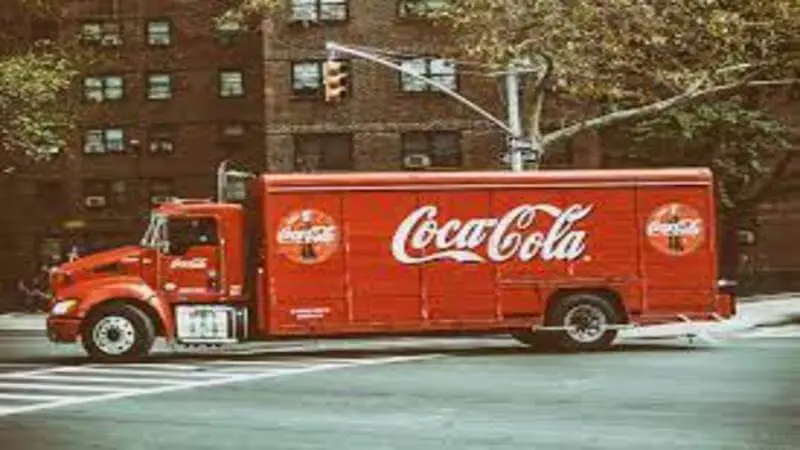
Coca-Cola is not just a company. It is arguably the most recognized brand on the planet. Operating in more than 200 countries, selling everything from its flagship cola to Sprite, Fanta, Dasani, Costa Coffee, Minute Maid, and dozens of other beverages, Coca-Cola has built something most businesses can only dream about: genuine global ubiquity. The red-and-white logo is understood in villages without reliable electricity. The taste is a cultural reference point spanning generations. And the business behind it? A sprawling “total beverage company” pulling in tens of billions of dollars in annual revenue while navigating sugar backlash, sustainability scrutiny, and a fierce rivalry with PepsiCo that shows zero signs of cooling off.
So when a company this massive puts out a mission statement and a vision statement, it matters. These are not throwaway sentences buried on a corporate website. They are strategic signals. They tell investors, employees, bottling partners, and the public what Coca-Cola believes it exists to do right now and where it intends to go next. Let’s break both of them down.
Coca-Cola Mission Statement
“To refresh the world in mind, body, and spirit, to inspire moments of optimism and happiness through our brands and actions, and to create value and make a difference.”
This is classic Coca-Cola. If you know anything about the company’s advertising heritage — the hilltop singers, the polar bears, the “Open Happiness” campaigns — this mission statement reads like the corporate distillation of every ad they have ever run. And that is not an accident.
Notice the structure. The statement has three parts, each doing different work. The first part — “refresh the world in mind, body, and spirit” — anchors the company in its most fundamental promise. Coca-Cola has always positioned itself as a refreshment company. Not a sugar water company. Not a soda company. A refreshment company. By adding “mind” and “spirit” to the mix alongside “body,” they are stretching the definition of refreshment well beyond a cold drink on a hot day. They are claiming emotional and even psychological territory.
The second part — “inspire moments of optimism and happiness through our brands and actions” — is where the emotional branding DNA comes through loudest. Coca-Cola does not talk about taste profiles or ingredient quality. It talks about happiness. About optimism. This is a company that genuinely believes (or at least wants you to believe) that cracking open a Coke is a small moment of joy. The phrase “through our brands and actions” is also doing quiet work here. It signals that Coca-Cola sees itself as more than a product portfolio. The word “actions” leaves room for community programs, sustainability efforts, and the kind of corporate social responsibility work that has become non-negotiable for a company of this size in 2026.
The third part — “create value and make a difference” — is the obligatory nod to stakeholders. “Create value” speaks to shareholders and business partners. “Make a difference” speaks to everyone else. It is deliberately broad, and that broadness is a feature, not a bug. It lets Coca-Cola define “making a difference” however it needs to depending on the audience and the moment.
What is most striking about this mission statement is what it does not say. There is no mention of beverages. No mention of specific products. No mention of customers or consumers by name. Coca-Cola’s mission is written at a level of abstraction that could, in theory, apply to a media company, a wellness brand, or a theme park. That level of abstraction is intentional. It gives the company enormous strategic flexibility. When Coca-Cola acquired Costa Coffee in 2019, this mission did not need to change. When they launched alcoholic beverages in select markets, the mission still held. It is a statement designed to outlast any individual product or category decision.
Compare this with how PepsiCo frames its mission. PepsiCo tends to be more explicit about food and beverages, more grounded in operational language. Coca-Cola’s approach is loftier, more aspirational, more focused on feeling than function. Whether you see that as a strength or a weakness depends on what you think a mission statement should do.
Coca-Cola Vision Statement
“To craft the brands and choice of drinks that people love, to refresh them in body and spirit. And done in ways that create a more sustainable business and better shared future that makes a difference in people’s lives, communities, and our planet.”
Now this is where things get more interesting. If the mission statement is pure emotional branding, the vision statement is where Coca-Cola starts showing its strategic hand.
The opening phrase — “craft the brands and choice of drinks that people love” — immediately tells you something the mission statement did not: this is a drinks company. The word “craft” is a deliberate choice. It implies care, skill, intentionality. It pushes back against the perception that Coca-Cola is a mass-produced commodity business. The word “choice” is equally important. Coca-Cola is not just selling Coke anymore. It is selling a portfolio. Sprite, Fanta, Dasani, smartwater, Topo Chico, Costa Coffee, Minute Maid, Powerade, AHA sparkling water — the list runs deep. When the vision statement says “choice of drinks,” it is acknowledging the total beverage company strategy that has defined Coca-Cola’s direction for the better part of a decade.
This matters because the beverage landscape has changed dramatically. Consumers, particularly younger ones, are not as loyal to carbonated soft drinks as previous generations were. They want options. They want water, coffee, juice, energy drinks, functional beverages, and yes, still some soda. Coca-Cola’s vision reflects that reality without apologizing for it. The company is not running away from its heritage. It is expanding around it.
The second half of the vision statement is where sustainability enters the picture: “done in ways that create a more sustainable business and better shared future that makes a difference in people’s lives, communities, and our planet.” This is not decorative language. Coca-Cola has been under sustained pressure — from regulators, activists, investors, and consumers — over its environmental footprint. The company is one of the world’s largest plastic polluters. Its water usage in drought-prone regions has drawn criticism. Its sugar-heavy products are a frequent target in public health conversations. By embedding sustainability directly into its vision statement, Coca-Cola is signaling that these concerns are not peripheral. They are part of the strategic core.
The phrase “better shared future” is worth pausing on. “Shared” is doing real work. It implies that Coca-Cola’s success and the well-being of communities and the environment are not separate concerns. It positions the company as a stakeholder in collective outcomes, not just a private enterprise chasing quarterly numbers. Whether Coca-Cola consistently lives up to that framing is a separate conversation. But the language is intentional and the ambition is clear.
Taken together, the vision statement is more grounded than the mission. It names what the company does (drinks), who it serves (people), and what constraints it acknowledges (sustainability, community impact). It reads less like an ad and more like a strategic compass. For a company that sometimes gets accused of being all sizzle and no substance in its corporate communications, this vision statement does a reasonable job of balancing aspiration with specificity.
It is worth noting how this vision compares to what you see from competitors. Starbucks, for example, leads with human connection and the “human spirit.” PepsiCo leans into positive choices and product diversity. Coca-Cola’s vision occupies a middle ground — emotional enough to stay on brand, concrete enough to have strategic teeth.
Analysis of Coca-Cola’s Mission and Vision Statements
Now that we have both statements on the table, let’s look at what works, what doesn’t, and what these statements reveal about Coca-Cola’s strategic posture heading into 2026 and beyond.
Strengths
First, emotional resonance. Coca-Cola has always understood that it is not really selling a product. It is selling a feeling. Both the mission and vision statements lean heavily into this understanding. Words like “happiness,” “optimism,” “love,” “refresh,” and “spirit” are not corporate jargon. They are emotional triggers. And they are consistent with over a century of brand building. When a Coca-Cola employee reads these statements, they are not just reading strategy. They are reading an identity. That kind of internal alignment is difficult to manufacture and Coca-Cola has it in spades.
Second, strategic flexibility. The mission statement in particular is written with enough altitude that it can absorb significant business model shifts without needing revision. Coca-Cola entered coffee through Costa. It has tested alcoholic beverages. It has pushed aggressively into bottled water and functional drinks. None of these moves conflict with a mission built around “refreshing the world” and “inspiring happiness.” That is smart drafting. A mission statement that needs to be rewritten every time the company enters a new category is not doing its job.
Third, the sustainability commitment in the vision statement. It would have been easy — and plenty of companies still do this — to relegate sustainability to a separate CSR page and keep the vision statement focused on growth and profit. Coca-Cola chose to weave it in. Given the scrutiny the company faces over plastic waste, water usage, and public health impact, this is not just good PR. It is a necessary strategic integration. When sustainability is in your vision statement, it becomes harder for internal teams to treat it as optional. It becomes part of how the company defines success.
Fourth, the “total beverage company” framing in the vision. By referencing “brands and choice of drinks” rather than any single product, Coca-Cola’s vision accommodates its entire portfolio. This is critical. The days when Coca-Cola could ride a single flagship product to dominance are over. Consumer preferences have fragmented. Health consciousness has risen. The ability to compete across water, juice, coffee, energy, and sparkling categories is now a survival requirement, not a luxury. The vision statement reflects that awareness.
Weaknesses
The biggest weakness is vagueness, particularly in the mission statement. “Refresh the world in mind, body, and spirit” sounds inspiring. But what does it actually mean in operational terms? How does a supply chain manager in Indonesia translate “inspire moments of optimism” into their daily work? Mission statements are supposed to guide decisions at every level of the organization. When they are this abstract, they risk becoming wallpaper — nice to look at, easy to ignore. Coca-Cola’s mission reads more like a brand tagline than a strategic directive.
Second, the health gap. Both statements are completely silent on the single biggest criticism Coca-Cola faces: the health impact of its core products. Sugar-sweetened beverages are linked to obesity, diabetes, and a range of other health conditions. This is not a fringe concern. It is a global public health conversation that directly implicates Coca-Cola. The mission talks about refreshing “body and spirit.” The vision talks about drinks “people love.” Neither statement acknowledges any tension between selling sugary drinks and contributing to a healthier world. In 2026, that silence is conspicuous. You can argue that a mission statement is not the place for self-criticism. Fair enough. But some acknowledgment of health-conscious innovation or consumer well-being beyond “refreshment” would make these statements feel more honest.
Third, differentiation. If you stripped the Coca-Cola name off these statements and showed them to someone, could they identify the company? Probably not. “Inspire happiness,” “create value,” “make a difference,” “sustainable business,” “better shared future” — these phrases could belong to almost any large consumer goods company. They are well-crafted but they are not distinctive. Compare this with a company like Starbucks, whose mission statement references specific elements of its business model. Coca-Cola’s statements are polished to the point of being interchangeable.
Fourth, the sustainability language, while welcome, remains noncommittal. “Done in ways that create a more sustainable business” is a direction, not a destination. There are no benchmarks embedded in the vision. No specific commitments. No indication of what “sustainable” actually means for a company that produces billions of plastic bottles annually. The language creates an expectation without creating accountability. That gap between aspiration and specificity is where corporate trust erodes.
Finally, there is an overlap problem. The mission and vision statements share too much DNA. Both reference “refreshment.” Both reference “making a difference.” Both reference “body and spirit.” Ideally, a mission statement answers “why do we exist right now?” and a vision statement answers “what are we building toward?” Coca-Cola’s versions blur that line. The vision is more specific — it names drinks, it names sustainability — but the emotional core is nearly identical. That redundancy dilutes the usefulness of having two separate statements. If they are going to sound this similar, one of them is not pulling its weight.
None of this means Coca-Cola’s mission and vision are failures. They are well-crafted, on-brand, and strategically flexible. For a company managing a portfolio of more than 200 brands across every continent except Antarctica, having statements this adaptable is arguably a necessity. But adaptability comes at a cost. The more a statement can mean anything, the closer it gets to meaning nothing. Coca-Cola walks that line better than most, but the tension is real. As the company continues to evolve — deeper into coffee, further into sustainability, possibly into new categories entirely — these statements will either prove their worth as genuine strategic guides or quietly fade into the background noise of corporate communications. The next few years will tell us which.