
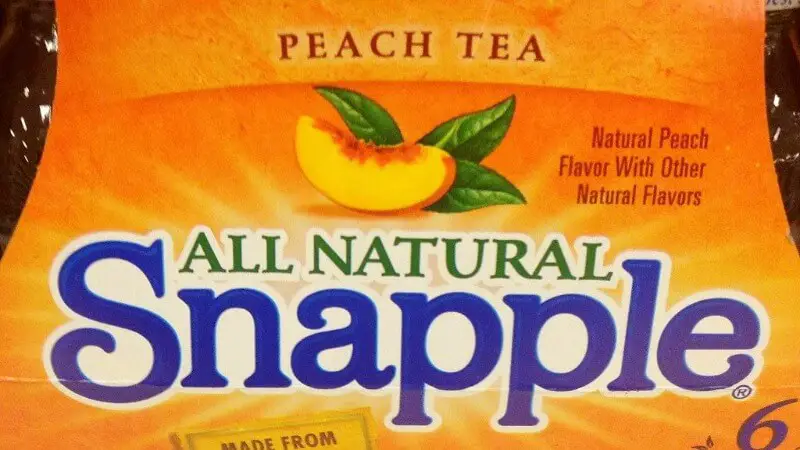
Does Snapple Peach Tea Have Caffeine? (2026)
Snapple Peach Tea remains one of the most widely purchased flavored iced teas in the United States. For anyone monitoring caffeine intake due to health considerations, pregnancy, or personal preference, knowing exactly how much caffeine sits inside that familiar glass bottle matters. The answer is straightforward, but the reasoning behind it deserves a closer look.
The Short Answer: Yes, Snapple Peach Tea Contains Caffeine
Snapple Peach Tea contains approximately 37 milligrams of caffeine per 16-fluid-ounce bottle. That places it firmly in the low-caffeine category when measured against coffee, energy drinks, and even some sodas. For context, a standard 8-ounce cup of brewed coffee delivers between 80 and 100 milligrams of caffeine, meaning a full bottle of Snapple Peach Tea provides roughly one-third to one-half the caffeine of a single cup of coffee.
This caffeine level is not arbitrary. It stems directly from the tea leaves used in the brewing process. Snapple Peach Tea is not an artificially flavored water product marketed as tea. It is brewed from real tea leaves, which inherently contain caffeine as a natural compound. The peach flavoring itself adds no caffeine whatsoever.
Why Tea-Based Beverages Contain Caffeine
Caffeine exists naturally in the leaves of the Camellia sinensis plant, which is the source of all true teas, including black, green, white, and oolong varieties. The plant produces caffeine as a defense mechanism against insects. When manufacturers brew beverages using these leaves, caffeine transfers into the liquid during the steeping process.
Snapple uses black tea as the base for its Peach Tea. Black tea leaves undergo full oxidation during processing, which tends to produce a slightly higher caffeine concentration compared to green or white tea leaves. However, the final caffeine content in any bottled tea product depends on several production variables:
- Steeping duration — Longer brew times extract more caffeine from the leaves.
- Water temperature — Hotter water pulls caffeine out more efficiently.
- Leaf-to-water ratio — More leaves per volume of water increases the caffeine concentration.
- Dilution — Bottled iced teas are typically diluted with water, sweeteners, and flavorings after brewing, which lowers the per-ounce caffeine level compared to a straight cup of hot tea.
This dilution factor is the primary reason Snapple Peach Tea contains less caffeine per ounce than a freshly brewed cup of black tea, which averages 47 milligrams per 8-ounce serving. The bottled product undergoes significant dilution to achieve its signature sweet, accessible flavor profile.
Caffeine Comparison Across Snapple Flavors
Not every Snapple product contains the same amount of caffeine, and some contain none at all. The determining factor is whether the beverage uses real tea leaves or relies entirely on fruit juice and flavorings. Understanding these distinctions helps when selecting a Snapple product based on caffeine preferences.
Snapple Products That Contain Caffeine
Any Snapple beverage brewed with black or green tea leaves will contain caffeine. The following are among the most common caffeinated options in the Snapple lineup:
- Snapple Peach Tea — ~37 mg per 16 oz bottle
- Snapple Lemon Tea — ~37 mg per 16 oz bottle
- Snapple Half ‘n Half (Tea & Lemonade) — ~37 mg per 16 oz bottle
- Snapple Raspberry Tea — ~37 mg per 16 oz bottle
- Snapple Diet Peach Tea — ~37 mg per 16 oz bottle
- Snapple Green Tea — ~30 mg per 16 oz bottle
The green tea variant contains slightly less caffeine because green tea leaves are processed differently than black tea leaves. They undergo minimal oxidation, which results in a marginally lower caffeine extraction during brewing.
Snapple Products With Zero Caffeine
Snapple also produces a range of juice-based drinks that contain no tea leaves and therefore no caffeine. If avoiding caffeine entirely is the goal, these are the options to reach for. Snapple Kiwi Strawberry, for instance, is entirely caffeine-free because it is a juice drink rather than a tea product. The same applies to Snapple Apple, Snapple Orangeade, Snapple Fruit Punch, and other juice-based offerings in the brand’s catalog.
The label on each bottle provides a reliable indicator. If the product name includes the word “Tea,” it almost certainly contains caffeine. If the name references only fruit flavors without mentioning tea, it is likely caffeine-free. Checking the ingredients list for “tea” or “tea leaves” offers a definitive confirmation.
Snapple Peach Tea vs. Other Iced Tea Brands
Snapple occupies a specific position within the broader iced tea market. Comparing its caffeine content to competing products reveals where it stands and which alternatives might suit different caffeine tolerance levels.
Snapple Peach Tea vs. Brisk Iced Tea
Brisk Iced Tea, produced by the Pepsi-Lipton partnership, contains approximately 7 milligrams of caffeine per 12-ounce can. That is substantially less than Snapple Peach Tea on a per-ounce basis. Brisk uses a lighter tea concentration and relies more heavily on sweeteners and flavoring, which accounts for the difference. Those who want an iced tea with minimal caffeine impact would find Brisk to be the lower option between the two.
Snapple Peach Tea vs. Arizona Iced Tea
Arizona Iced Tea, one of Snapple’s most direct competitors in the flavored iced tea segment, contains approximately 15 milligrams of caffeine per 8-ounce serving. A full 23-ounce can of Arizona delivers roughly 43 milligrams. On a per-ounce basis, Arizona and Snapple sit in a comparable range, though Arizona’s larger standard can size means the total caffeine per container is slightly higher.
Snapple Peach Tea vs. Pure Leaf Iced Tea
Pure Leaf, another Pepsi-Lipton brand, positions itself as a premium brewed tea product. Its Peach Tea flavor contains approximately 69 milligrams of caffeine per 18.5-ounce bottle. That is nearly double the caffeine of a Snapple Peach Tea bottle, despite only a modest difference in volume. Pure Leaf achieves this through a stronger tea concentration and a brewing process designed to preserve a more robust tea flavor. Anyone seeking a peach-flavored iced tea with a noticeable caffeine presence would find Pure Leaf to be the stronger choice.
Snapple Peach Tea vs. Gold Peak Iced Tea
Gold Peak, owned by The Coca-Cola Company, offers a Peach Tea with approximately 24 milligrams of caffeine per 8-ounce serving. A standard 18.5-ounce bottle would deliver around 55 milligrams. This places Gold Peak between Snapple and Pure Leaf in terms of caffeine intensity, making it a middle-ground selection.
Snapple Peach Tea vs. Soda and Coffee
Placing Snapple Peach Tea alongside non-tea beverages provides additional perspective. A 12-ounce can of Coca-Cola contains approximately 34 milligrams of caffeine, which is comparable to a full 16-ounce Snapple bottle. Dr Pepper delivers around 41 milligrams per 12-ounce can, edging slightly above Snapple on a per-ounce basis. Meanwhile, a 16-ounce brewed coffee from most shops delivers between 150 and 200 milligrams of caffeine, dwarfing Snapple by a factor of four or more.
These comparisons make one thing clear: Snapple Peach Tea is a low-caffeine beverage by any reasonable standard. It delivers a mild boost that most adults would barely notice, particularly if they have any established caffeine tolerance.
Who Should Pay Attention to Snapple Peach Tea’s Caffeine
For the average adult, 37 milligrams of caffeine is unlikely to produce any perceptible stimulant effect. The FDA considers up to 400 milligrams of caffeine per day to be generally safe for most healthy adults, which means a person could theoretically consume more than ten bottles of Snapple Peach Tea before approaching that threshold.
However, certain groups should remain aware of even modest caffeine amounts:
- Pregnant individuals — The American College of Obstetricians and Gynecologists recommends limiting caffeine intake to under 200 milligrams per day. A single bottle of Snapple Peach Tea would represent roughly 18% of that limit, which is manageable but worth tracking alongside other caffeine sources consumed throughout the day.
- Children — The American Academy of Pediatrics discourages caffeine consumption for children under 12 and recommends no more than 100 milligrams per day for adolescents. A bottle of Snapple Peach Tea would account for more than a third of an adolescent’s recommended maximum.
- Caffeine-sensitive individuals — Some people metabolize caffeine slowly due to genetic factors affecting the CYP1A2 enzyme. For these individuals, even 37 milligrams could contribute to restlessness, increased heart rate, or disrupted sleep, especially if consumed in the afternoon or evening.
- Those on certain medications — Some medications interact with caffeine, either amplifying its effects or having their own effectiveness altered. Anyone taking prescription drugs that carry caffeine interaction warnings should factor in all dietary caffeine sources, including iced tea.
Nutritional Context Beyond Caffeine
While caffeine often drives the health-related questions about Snapple Peach Tea, sugar content deserves equal scrutiny. A standard 16-ounce bottle contains 36 grams of sugar, which accounts for a significant portion of the daily added sugar limit recommended by the American Heart Association (36 grams for men and 25 grams for women). The diet version eliminates sugar by using sucralose as a sweetener while maintaining the same caffeine level.
A 16-ounce bottle of regular Snapple Peach Tea also delivers 160 calories, all of which come from sugar. There is no protein, fat, fiber, or meaningful micronutrient content. This is worth noting for anyone evaluating the drink as a hydration choice versus water, unsweetened tea, or other lower-calorie options.
Final Assessment
Snapple Peach Tea does contain caffeine, at roughly 37 milligrams per 16-ounce bottle. This caffeine is not added artificially. It occurs naturally because the product is brewed from black tea leaves, which contain caffeine as an inherent chemical compound. The amount is low enough that most adults will not experience any significant stimulant effect from a single bottle.
Among bottled iced teas, Snapple Peach Tea falls in the low-to-moderate caffeine range. It contains more caffeine than Brisk but substantially less than Pure Leaf or Gold Peak. Compared to coffee, it is a negligible caffeine source. Compared to Snapple’s own juice-based drinks, it is one of the caffeinated options, distinguishable by the “Tea” designation on its label.
For those who need to avoid caffeine entirely, Snapple Peach Tea is not the right choice. The brand’s juice drinks offer caffeine-free alternatives within the same product family. For those who simply want to keep caffeine intake modest, Snapple Peach Tea fits comfortably within a controlled daily budget without requiring much concern.